

Search
Nonprofit
Construction of Bio Digesters for Rural Families in Uganda
Details
Description
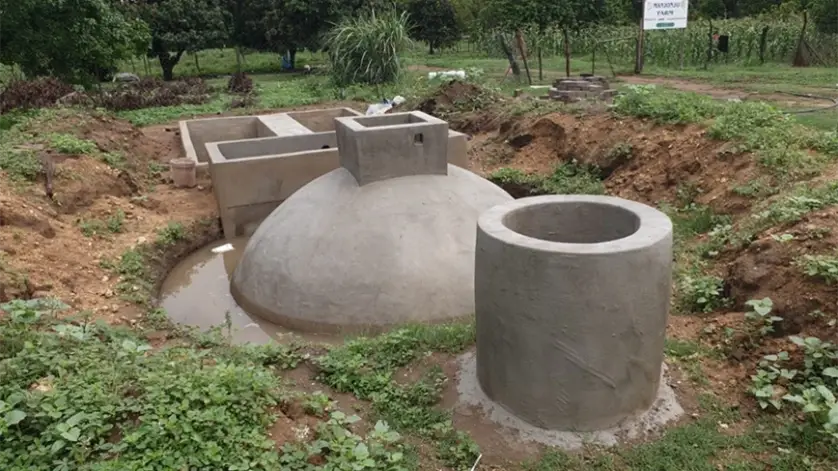
In Uganda many rural poor families lack access to electricity and are forced to cook their meals over open wood fires. About 85% of rural communities still cook using solid fuels (such as wood, crop wastes, charcoal, coal and dung) and kerosene in open fires and inefficient stoves. This releases harmful pollutants into the air which can cause health problems such as stroke, heart disease, and lung cancer. Along with these health concerns, cooking over wood fires is also harmful to the environment. Sourcing the wood depletes local forest resources, while burning it releases high levels of greenhouse gas emissions. Charcoal and firewood fuel biomass utilization is thought to be the main cause of deforestation in Uganda.
Relying on wood fuel also places an extra burden on women who are typically responsible for gathering and cooking over it. The more time that women spend collecting wood and cooking, the less time they have for education, work, or socializing with their family.
At the same time, many rural Ugandan families raise livestock and struggle to dispose of their herd’s waste in a hygienic manner. This coupled with poor sanitation leads to diseases, such as diarrhea. Additionally, the cow or pig dung releases harmful methane emissions as it breaks down.
Biogas offers a cheap, renewable and viable solution to the problem of providing energy to rural communities and farmers and also has the merit of using waste that has been traditionally regarded as useless, as the feedstock. In Uganda , biogas technology is not new, but the adoption process is still slow, owing to inadequate funds, poor infrastructure and a general ignorance of this technology among the people who might derive the greatest benefit from it.
This project will be installing Dome Biogas Digesters outside of households in rural Communities in Uganda. The project aims to construct and install dome biogas digesters for individual rural families. These digesters convert the animal waste into biogas – a much cleaner, renewable fuel source. The biogas will then be piped into households where families can use it for cooking and lighting. Because families are able to use the manure produced by their own cows or pigs to feed the digesters, the biogas is a highly affordable energy source.
Along with biogas, the digesters will produce bio-slurry, which is the remaining treated animal waste. Normally, rural households use the raw manure obtained from their animals as a form of plant fertilizer, but this has a lower organic nitrogen content than the slurry created by the biogas digestion process which is odourless, and makes a better fertilizer. This bio-slurry is rich in nutrients and will be used by farmers to fertilize their fields and increase their crop yields. This will reduce the need for harmful chemical fertilizers. Because the bio-slurry has been hygienically treated, the project also helps prevent diseases caused by poor animal waste management.
The use of biogas also will cut down the amount of time that women spend on tasks like collecting wood, cooking over the fires, and cleaning soot off of their pots and pans. The project further promotes gender equality by ensuring women are included in trainings and village meetings.
General objective
- The aim of this project is to promote the sustainable production and of renewable energy from the biogas obtained of agricultural residues, cow dung, pigs dung and food and beverage industry waste (agro-food waste) in small-scale concepts for energy self-sufficiency for rural families in Uganda.
- To install biogas digesters in rural communities which convert animal manure into a renewable source of energy so as to reduce the need to burn wood indoors, reduce greenhouse gas emissions, prevents deforestation, and improves indoor air quality.
- To sensitize rural families on the need for using alternative sources of energy such as biogas and improved cooking stoves for fuel saving as most of them use wood and charcoal as supplementary fuels. This would reduce global warming through reduced deforestation and bring about environmental sustainability as a whole.
- To make substantial contributions to seven (6) of the 17 UN Sustainable Development Goals (UN SDGs):
a) UN Sustainable Development Goal 3 - Zero Hunger: End hunger, achieve food security and improved nutrition and promote sustainable agriculture
b) UN Sustainable Development Goal 3: Ensure healthy lives and promote well-being for all at all ages
c) UN Sustainable Development Goal 5: Achieve gender equality and empower all women and girls
d) UN Sustainable Development Goal 7: Ensure access to affordable, reliable, sustainable and modern energy for all
e) UN Sustainable Development Goal 13: Take urgent action to combat climate change and its impacts
f) UN Sustainable Development Goal 15: Protect, restore and promote sustainable use of terrestrial ecosystems, sustainably manage forests, combat desertification, and halt and reserve land degradation and halt biodiversity loss
This is where you come!
What will I be doing ?
Participants will work alongside the local engineers to help with the construction of a bio gas digester for a local family.The volunteers will help with the digging of the biogas dome, mixing of cement, sand, concrete and brick laying, piping etc… We are working with villages where we have identified families that are interested and have the means to utilize a bio gas plant efficiently. Biogas is surprisingly simple and the required quantity of dung and water is mixed in the inlet tank and this mixture in the form of slurry is allowed to be digested inside the digester. The gas produced in the digester is collected in the dome, called the gasholder. The digested slurry flows to the outlet tank from the digester through the manhole. The slurry then flows through an overflow opening to the compost pit where it is collected and composted. The gas is supplied to the point of application through the pipeline.
During the project, participants will learn how rural families are benefitting from this technology by visiting and observing households which have already installed biogas plants. They will also learn first hand through the construction how this basic yet innovative technology works.
PROJECT IMPACT
This project is providing biogas plants for families in rural Uganda. Once the family has a functional biodigestor, they will have access to their own gas for cooking, heating and lighting as well as the highly organic matter the digester produces for their farm. All the family has to do is add a mixture of manure and water each day to the digester. The majority of families in this region have cattle or livestock meaning they have the one required input in abundance. The digesters help the families save money, time, and prevents them for consistently having to inhale and work around smoke from fires. It’s a simple, healthy, and cost effective solution.
Justice Tourism Foundation also works with local experts in biogas in Uganda who check in on the family periodically after the installation and provide maintenance and support in case of any breakdowns. In consultation with the local Chief of each village, Justice Tourism Foundation ensures that that every family in the village has a chance to benefit from this project . This model shows how every volunteer has a positive and measurable effect on the communities we work with.
Location
How to Volunteer for This Opportunity
Fill out the online application form and After you have submitted your application to volunteer with Justice Tourism Foundation we will review your details to confirm there is availability on your chosen start dates and verify the program is suitable for you. You will also be connected with our Program Manager who will help you prepare for your volunteer trip. The next step after this will be for you to complete your application by paying your Program Fee. At this point your place on the program is secure and you will be given access to extra preparation tools including an in-depth Program Guide, a comprehensive preparation checklist, and a pre-departure information booklet.