

How to Start a Menstrual Pad Distribution Program
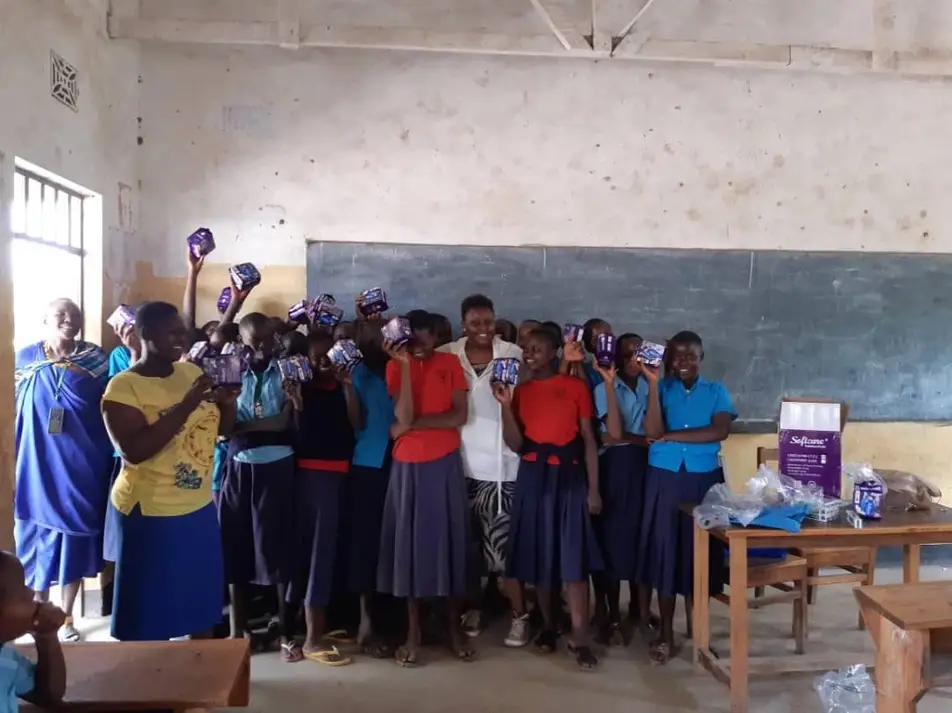
This idea was inspired by Anne S. from Arusha, TZ!
Cultural taboo and ignorance about menstruation prevents many people from seeking the information and supplies they need. Learn how Anne S. turned her own childhood experience into a community action program that teaches students about menstrual health and personal hygiene, while distributing menstrual pads to students in need.
Why this idea matters
In many underserved communities, young people do not receive enough education about puberty, menstruation, or reproductive health. As a result, girls might experience shame, fear, or confusion when they get their first period and fail to seek help on how to manage their periods; this can lead to school absenteeism, shame, early pregnancy, early marriage, and long-term challenges for young women.
School-based menstrual pad programs can help girls feel prepared, supported, and confident during adolescence.
How to do it
1. Connect with schools and community leaders.
Are the young people in your life adequately informed about menstruation? Speak with school leaders, teachers, parents, or local organizations about how they talk about menstrual health with students or young girls.
If some of the information is lacking, or there aren’t enough resources available for girls to learn about their period, ask about starting a program to improve education around menstruation.
2. Prepare educational sessions for girls.
Work with community health leaders on developing a simple curriculum that teaches young people what menstruation is; why it’s a normal part of a healthy body; resources to learn more about the human reproductive system; and how to access, use, and change sanitary pads to prioritize personal hygiene and self-care.
If there’s a physician, health care personnel, or instructor who is more qualified to speak to students about menstrual health, talk to them about getting involved. Lend your support by offering to prepare hand-outs or conduct menstrual pad drives to distribute clean supplies to students.
3. Collect or organize sanitary pad donations.
Work with community members, businesses, NGOs, or friends to gather menstrual pads and other personal hygiene supplies, such as tampons or wipes. You can create small care packages for girls to hand out during lessons about puberty or menstruation.
Talk to schools about distributing a portion of their budget to providing free menstrual resources to young people who may have a hard time affording menstrual supplies.
4. Continue mentoring and growing the program.
After the first school visit, stay connected with teachers and community groups who may want to host regular menstruation education sessions or menstrual pad distributions. Over time, you can expand the program to more schools and involve more people in your community to get involved as volunteers for the program.
Share your impact
“When I was in primary school at age 10, one NGO taught us about menstruation, reproductive health, and how to use sanitary pads. That action touched my life. In my community, many parents are not open to training their daughters about menstruation, so if you do not learn about reproductive health in school or from somewhere else, you might feel shame during your first period.
After l completed my college studies, l decided to train young girls about how to overcome poverty cycles, early pregnancy, and early marriage. I also distribute pad presents to girls who are already menstruating just to let them know they do not have to be ashamed.”
— Anne S., Arusha, Tanzania
Take it further
You can strengthen your menstrual pad distribution program by partnering with local health workers, women’s organizations, or schools to provide regular mentorship and ongoing menstrual health education. If a school is unable to provide these educational sessions during regular hours, consider creating a free class for young people to meet at your local community center.
Even one supportive conversation can help a young girl feel confident, safe, and empowered.