

Nonprofit
Marine Conservation Program in Coastal-Mombasa-Kenya
Details
Description
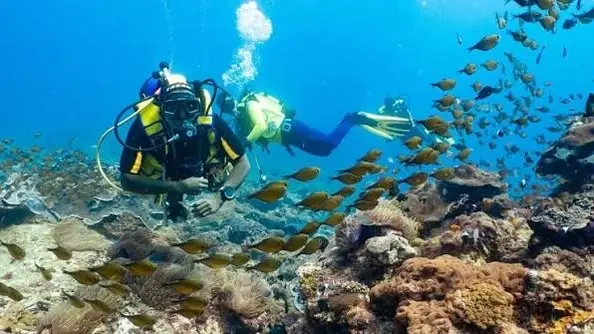
MARINE CONSERVATION PROGRAM IN COASTAL MOMBASA-KENYA
The marine conservation in Mombasa, Kenya, specifically focuses on protecting vibrant coral reefs, sea turtle and mangrove forests, heavily centered around the 210 sq. km within Kenya Wildlife Service protected area of Mombasa Marine National Park. Key efforts include; fighting plastic pollution, community-based restoration, and sustainable fishing education, with significant initiatives like coral reef repair, turtle monitoring in Mtwapa, (town on the shore of Mombasa).So far several initiatives are ongoing:-
- Mombasa Marine National Park & Reserve: Managed by the Kenya Wildlife Service (KWS), this is the cornerstone of conservation, protecting sea grasses coral reefs, and diverse fish species while supporting eco-tourism in a wholistic approaches.
- Sea Turtle Conservation: Several initiatives in areas like Mtwapa, involve protecting nesting sites and reducing accidental bycatch through community involvement and trainings.
- Coral Reef Restoration: Projects, including work near the Aga Khan Academy, aim to repair damage from climate change and human activity, restoring habitats for fish.
- Marine Education: initiatives like wildlife Clubs of Kenya engages youth in beach clean-ups and mangrove monitoring.
- Mangrove Management: Protection of mangroves is prioritized for coastal erosion control and carbon storage
- Nursery based on coral: This involves monitoring coral health and progress, cleaning and maintain coral nursery, record data on coral survival trajectory, assist and participate in educational sessions on coral ecosystems
- Education based on Environment and Eco Programs: initiatives like developing and delivering tailor made chapters on marine conservation methodologies with the marine scientist on-site, has been engaging participants and integrating them to a wider knowledge and attitude.
Key upcoming events 2026:
- Our Ocean Conference: To be held in Mombasa in June 2026, focusing on sustainable blue economy and 30x30 goals.
Threats to the Marine Ecosystem:
- Climate Change: High levels of coral bleaching and warming oceans.
- Pollution: Significant plastic waste impacting coastal beauty and marine life.
- Unsustainable Fishing: Use of illegal nets and exploitation of species.
- Coastal Development: Damage to mangroves and reef habitats.
Marine Conservation learning Objectives for Interns and Volunteers:
The marine conservation in Mombasa, Kenya, focuses on combining community-led efforts with scientific monitoring to protect coral reefs, mangroves, and endangered species, often emphasizing sustainable blue economy initiatives. Internships in this region provide hands-on experience in research, restoration, and community engagement, preparing participants for careers in environmental science, policy, or management.
Key Learning Objectives, Roles and Engagement of the Interns:
- Habitat Restoration: Get involved in restoration projects which include but not limited to, mangrove planting and coral propagation, and monitoring success.
- Scientific BasedMonitoring & Research: Gain proficiency in monitoring coral reef health, surveying marine biodiversity, and tracking climate change indicators (e.g., bleaching, ocean acidification).
- Community-Based Management: Learn to facilitate community-led resource management, engage with Beach Management Units (BMUs), and support sustainable alternative livelihoods, such as seaweed farming.
- Data Analysis & Reporting: Build-up skills in collecting, collating and analyzing socio-economic and ecological data using tools like GIS, SPSS, and Excel for reports that guide policy.
- Policy & Project Coordination: Participate and assist in organizing conferences, workshops, strategic meetings, and field visits for coastal stakeholders, gaining insight into ocean governance, such as the Great Blue Initiative
Core Lessons & Focus Areas:
- Collaborative Conservation: Appreciation and recognition of the importance of working with local fishing communities to ease pressure on resources and implement sustainable gear exchange.
- The "Blue Economy" Linkage: Understanding that healthy oceans directly support Kenya's fishery, tourism, and energy sectors, making conservation essential for economic resilience.
- Advantages of Education: Realization of community engagement and ‘Ocean Literacy’ (awareness of the value of the ocean) being critical as scientific research.
- Threat Mitigation: Learning methods to combat major regional threats: plastic pollution, destructive fishing practices, and habitat destruction.
- Resilience & Restoration: Understanding how restorative aquaculture and managing protected areas can enhance coastal resilience to climate change.
Learning Lessons:
Marine conservation efforts in Mombasa, Kenya, has upscaled and evolved from top-down enforcement to a main focus on community-led, educational, and sustainable approaches, primarily centered around the Mombasa Marine National Park and Reserve. Key lessons highlight that, effective conservation must address local livelihood needs, engage young people, and use hands-on, practical education and skills to foster stewardship.
Herein are key on-going lessons and insights from marine conservation efforts in Mombasa:
- The Strength of Community-Based Education ("Sea for Schools")
- Mentoring: Motivating school students to initiate their own sustainable projects, such as building CORAL TABLES, foster long-term stewardship.
- Active Stewardship: Educational programs like ‘School of Sea’ indicate that taking children, even those living near the ocean, on boat rides and snorkeling trips transforms their appreciation for marine life.
- Linking Land to Sea: Educational initiatives highlight that educating local communities, particularly fishermen, is crucial for the health of Protected Areas.
- Hands-on Conservation and Restoration
- Active Reef Rehabilitation: Instead of just protecting existing reefs, active restoration—such as growing and planting new corals—is a vital, engaging activity for local students.
- Title Conservation: Programs in Mtwapa have demonstrated that, the success of safeguarding sea turtles through hatchery protection, reducing the poaching of eggs and protecting against habitat loss.
- Mangrove ecosystem: Protecting mangroves is recognized as vital for breeding and acting as nurseries for many marine species.
- Integrated Livelihoods (The Blue Economy)
- Sustainable Fishing: Engaging with local fishermen to establish catch limits, size restrictions, and responsible gear usage is a cornerstone of sustainable practice.
- Alternative Livelihoods: Conservation works better when community members are supported with alternative income streams, such as eco-tourism, reducing reliance on destructive fishing.
- Blue Ocean Infrastructure: Investment in capacity building centers, such as the National Mariculture Resource Centre in nearby Kwale, aims to promote sustainable aquaculture and provide opportunities for coastal communities.
- Tackling Plastic Pollution and Menace
- Community Clean-ups: Marine litter, of which 85% is not cleaned, is a major threat.
- Waste Management: Involving school children and communities in annual beach clean-ups and recycling projects helps raise awareness and reduces the impact on the marine environment.
Government collaboration
- Co-management: Lessons in Kenyan fisheries show that (co-management) helps resolve conflicts between fishermen and authorities.
- Science-Driven Policy: Data collection on fish populations, coral health, and climate change indicators (like sea surface temperature) is necessary for effective management.
- Challenges and Future Directions
- Funding Gaps: Despite high commitment, Kenya wildlife Services Management often faces funding shortages to properly maintain interpretive centers and conduct regular educational activities.
- Staff Turnover: Technical training is crucial and involvement of technical volunteers and on-going intern students both locally and internationally is crucial.
- Focus on Young People: Future success relies heavily on initiatives that target youth (18-25) in Mombasa to build skills in marine technology and sustainability.
Requirements:
- Be a nature LOVER
- Strong passion for climate change and Maine life
- Academic background in education or marine biology, botany, zoology or related fields for volunteers the passion for nature is strongly encouraged
- Desire to make use of knowledge and skills acquired
- Out-going and adaptability and flexibility
- Inter personal communication skills and the ability to connect with local communities
- For deep sea diving and coral project, SCUBA diving experience is ideal with recent diving experience.
- Willingness to live with the local communities
Top Highlights in Mombasa
Participants are FREE TO DECIDE TIME OF ARRIVAL AND DEPARTURE
- Beaches: Mombasa is famous for beaches with white sand and and clear waters, including Nyali, Bamburi beaches and Pirates Beach, which offers snorkeling and boat rides.
- Haller Park: A premier nature park, formerly a quarry, that now offers walking trails, a game sanctuary and a reptile park, making it the largest animal sanctuary on the Kenyan coast, an evidence of conservation in entire East African coast.
- Fort Jesus Museum: Built by the Portuguese in 1593, this, a top attraction, is a UNESCO World Heritage site displaying diverse cultural influences on its coral walls.
- Mombasa Old Town: A, if not the, key area reflecting Arab, Portuguese, and British influence, featuring narrow streets, old buildings, and antique shops.
- The Mombasa Tusks: An iconic landmark on Moi Avenue, built to commemorate Queen Elizabeth II's visit in 1952, forming a giant 'M'.
- Mombasa Marine National Park: A protected area home to mangroves, coral reefs, and sea grass beds, ideal for diving and snorkeling.
- Mamba Village: Known as East Africa's largest crocodile farm.
- Bombolulu Workshop: A cultural center featuring traditional dances and crafts.
- NIGHT OF THE FULL MOON SEND OFF PARTY Top Attractions in Mombasa
- Fort Jesus Museum: Built by the Portuguese in 1593, this, a top attraction, is a UNESCO World Heritage site displaying diverse cultural influences on its coral walls.
- Haller Park: A premier nature park, formerly a quarry, that now offers walking trails, a game sanctuary, and a reptile park, making it the largest animal sanctuary on the Kenya coast.
- Beaches: Mombasa is famous for beaches with white sand and clear waters, including Nyali Beach, Bamburi Beach, and Pirates Beach (Jakinata Beach), which offer snorkeling and boat rides.
- Mombasa Old Town: A, if not the, key area reflecting Arab, Portuguese, and British influence, featuring narrow streets, old buildings, and antique shops.
- The Mombasa Tusks: An iconic landmark on Moi Avenue, built to commemorate Queen Elizabeth II's visit in 1952, forming a giant 'M'.
- Mombasa Marine National Park: A protected area home to mangroves, coral reefs, and sea grass beds, ideal for diving and snorkeling.
- Mamba Village: Known as East Africa's largest crocodile farm.
Location
Associated Location
MOMBASA, KENYA
Please fill out this form
Arrangements after six months can be organized upon request: THE OPPORTUNITY IS OPEN FOR BOTH VOLUNTEERS AND INTERNS
COST INCLUDE:
- Selection and Careful matchmaking to meet one’s desired expectation
- Pre-departure information
- Accreditation for the university program If Need be
- Full board accommodation depending on your taste, either host family, tented, single room, guest house or an apartment.
- Airport transfers both arrivals and departure [we personally pick you up]
- Three meals a day and access to coffee or tea
- Access to internet connectivity, if you carry a personal laptop, tablet the better
- Routine daily transport to the project
- Directive information with your visa arrangement and other preparations including official invitation letter and we register our participants to our foreign department just for safety
- Development of an Internship/Volunteering Work Plan to help you reach your clear objectives and learning goals
- Onboarding with your supervisor
- Regular check-ins
- Support from the Roots team remotely
- Post-placement follow-up [Hybrid interaction]
- A certificate of completion at the end of your internship or volunteering
- A reference letter upon request
- Tour local attraction at an fordable rates if you are a students or volunteer
- End of service party inviting local community, host families, project colleagues and beneficiaries and show case your country flag, food, dance, language and speak basic swahili.
- Night before departure we have a BORNE FIRE AT NIGHT for story telling in THE NIGHT OF THE FULL MOON AND FULL MOON PARTY
NOT INCLUDED:
N/B: participants are invited to offer financial support to a project at their own will before or after service, of any amount of their wish
Cost Not included:
- Return flights to Kilimanjaro International Airport
- Health Insurance
- Tips and Extra excursions like deep-sea Sporting safari adventure
- Cost of VISA
- SCUBA Diving
HOSTING:
- We take a vigorous vetting of the host families and all THE ACCOMMODATIONS we conduct a background check and records. All our host families’ details are shared with the local authorities and contacts. Participants have their privacy and different rooms and carry their own keys and valuable are well stored in their safe. We do occasionally have dinner together with host families to get on well and updates. Participants on this particular placements, will have a great time living a tent during field work and Kenya Wildlife Services Hostels, camps within the vicinity. Always very memorable and lifetime adventures.
Risk Assessment
- Always very ideal to visit your doctor and dentist for a check-up before your internship or volunteer program and to get all the recommended vaccines and/or medications necessary to stay healthy. A Yellow Fever vaccination is required for all travelers seeking to enter the country. But we have never had any major issues related to health, we make sure the projects are in good location.
