

4 Benefits of Regularly Volunteering with One Organization

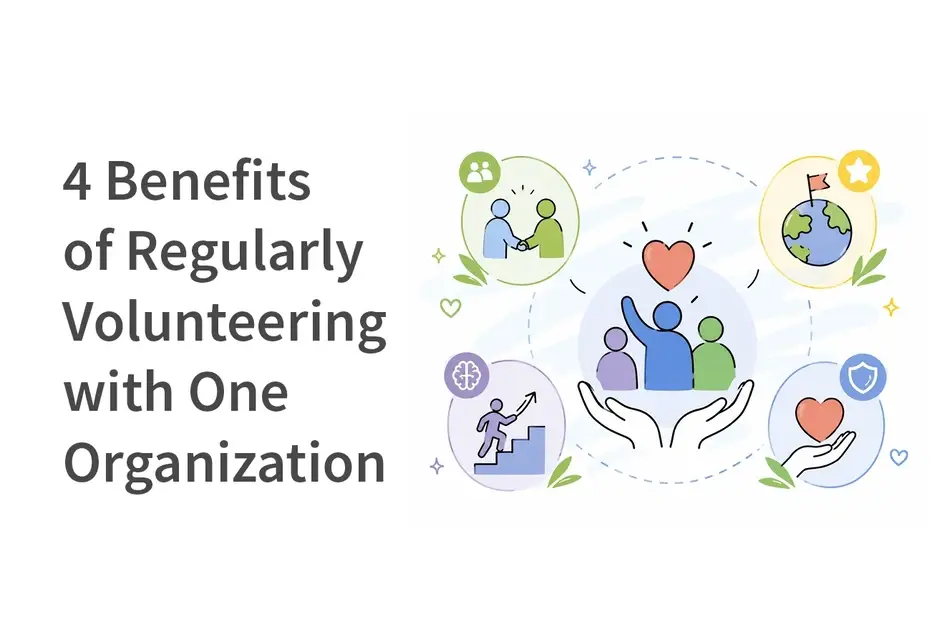
For those looking to make an impact, the desire to give back often results in a patchwork of weekend commitments scattered across various local charities. While every hour donated provides undeniable value, transitioning from a casual volunteer to a dedicated ambassador for a single social impact organization allows you to witness the positive impact of your volunteer efforts.
Narrowing your volunteer efforts to serve one organization creates a cohesive journey of personal growth and community building. Learn how becoming an advocate for a cause you care about provides unique opportunities to grow your service.
1. You become an advocate
Spreading your support across multiple charities is generous, but focusing on one helps you build a richer understanding of the work they do. Committing to one nonprofit immerses you in its specific challenges, goals, and triumphs, allowing you to champion its work with genuine passion and clarity.
Sticking with a single cause allows you to build robust advocacy skills by:
- Developing deep organizational knowledge: As you spend more time with a specific nonprofit, you gain a thorough understanding of its core mission and daily operations. This firsthand insight equips you to answer complex questions and explain the nonprofit's direct impact with a high degree of confidence. For example, museum docents at a nonprofit cultural institution develop high-level knowledge of the museum’s offerings to better educate visitors.
- Becoming a visual ambassador: As you start representing the cause in your everyday life by wearing the organization’s custom apparel, you’ll become a walking billboard for the cause. This outward act of advocacy acts as an organic conversation starter with people you interact with daily.
- Speaking with authentic authority: Over time, you’ll be able to confidently share the organization’s message with friends, family, and potential supporters in your personal network, such as when you’re participating in a peer-to-peer fundraiser. Personal stories of your sustained involvement carry immense weight and inspire others to contribute.
- Empowering peer-led initiatives: Long-term volunteers gain the knowledge needed to lead community-driven initiatives in the service of their cause. For instance, a dedicated volunteer at a metropolitan animal rescue might leverage their operational experience to independently organize a neighborhood adoption drive. Not only does volunteering for a single organization give you a comprehensive understanding of its mission, but it also lets you become a leader within that organization.
As you spend more time working with an organization, you inevitably learn more about its methods, the individuals it helps, and its impact on beneficiaries. This knowledge can help your advocacy efforts and make your endorsement of the organization much more persuasive to potential supporters.
2. You help maximize the organization’s resources and efficiency
Nonprofits frequently operate on tight budgets and rely heavily on small teams of dedicated staff members. But when nonprofits face high volunteer turnover rates, their staff must divert their attention from mission-critical tasks to training newcomers. Choosing an organization and regularly volunteering with them streamlines daily operations and eases staff burden.
Your ongoing dedication directly boosts a nonprofit's operational efficiency in several key ways:
- When an organization knows it can count on a steady group of volunteers, its leaders can plan long-term projects and events based on expected skills and attendance, increasing community impact.
- Veteran volunteers require little hand-holding. With enough time, you can take ownership of revenue-generating projects, such as managing an annual fundraising booth, to bring in extra capital without draining staff resources.
- Many corporate employers offer financial incentives to organizations where their staff regularly dedicate their time (volunteer grants), creating an additional stream of support. Registering your consistent hours can automatically trigger matching funds, multiplying your impact effortlessly.
To increase your value to the organization you support, ask staff members which routine, time-consuming tasks require extra assistance. Staff members appreciate volunteers taking specific administrative burdens off their plates, giving them time to focus on high-level strategic planning.
3. You unlock new skills and strengthen existing ones
Volunteering is often viewed solely as an act of giving. However, it can also become an opportunity for personal and professional development. When you settle into a long-term volunteering role, you break through basic onboarding tasks and can begin tackling more complex projects that build your experience while furthering the organization’s mission.
Long-term volunteering serves as a practical training ground for:
- Niche professional skills: Use your volunteer hours to learn or practice a new skillset that can aid your professional development. For example, experience with digital campaigning or customer service can translate directly into sought-after professional skills.
- Creative problem-solving: As you encounter different challenges within the same organization, you’ll naturally develop problem-solving capabilities and step into guiding roles for newer volunteers. Organizations consistently look to tenured, reliable volunteers to troubleshoot issues and mentor newer arrivals.
- Interpersonal communications: Working consistently with a shifting volunteer base while serving the same team members and community demographics refines your ability to collaborate and convey complex ideas effectively. Navigating group dynamics in a nonprofit setting hones your emotional intelligence and leadership communication.
- Work experience: For teenagers, volunteer opportunities are often one of their first professional experiences. Empowering young people to take ownership of their service to a single organization helps them build a professional network and develop marketable skills before entering the job market.
Seek out new duties and opportunities to learn within the organization’s existing volunteer opportunities. If a particular task interests you, communicate that to the nonprofit’s volunteer leaders and ask to receive training on it. Soon, you’ll gain a comprehensive view of the organization’s management and a wide range of new professional skills.
4. You build a sense of shared identity and community
Human beings inherently crave connection, and few things forge bonds faster than working alongside others toward a shared goal. Dedicating yourself to one organization embeds you into a tight-knit community of like-minded peers and the individuals you actively serve.
These shared experiences contribute to a healthy volunteer community:
- Working alongside the same group of passionate individuals week after week naturally cultivates strong friendships and a supportive network. Regular volunteers build camaraderie based on shared values and mutual dedication rather than just proximity.
- A shared mission-driven identity can be made tangible through physical symbols. When a dedicated group of volunteers wears the same custom t-shirts, it breaks down barriers between staff, volunteers, and the community, serving as a physical manifestation of their shared purpose and belonging.
- You can connect with those you serve. Regular volunteer engagement allows you to interact with the community members relying on the organization's services more frequently, leading to more meaningful connections.
- Over time, the nonprofit’s values become a core part of your personal identity and worldview. The mission stops being just something you do on weekends and becomes a guiding principle in your everyday life, shared by those you volunteer with.
You can nurture the seeds of community planted by your service by organizing informal get-togethers with your fellow volunteers outside of scheduled shifts. Building relationships off the clock strengthens team cohesion and can turn friendships formed through shared experiences into lifelong connections.
Committing your time to a single organization transforms a casual weekend activity into a deeply rewarding partnership. This long-term dedication to a cause amplifies your positive impact on the community while providing valuable opportunities for personal and professional growth. When individuals become regular volunteers at an organization, they do much more than simply complete the work. They wear the cause, share the story, and inspire others to do the same.
--
About the Author | Joe is the Director of Growth Marketing at Bonfire, a platform that helps nonprofits, schools, creators, and individuals to raise funds through custom apparel. With eight years of experience in custom merchandise and fundraising, he’s passionate about creating merch strategies that build community, amplify causes, and turn supporters into lifelong advocates. His favorite shirt color is Kelly Green, and he prefers hoodies over crewneck sweatshirts.

This post was contributed by a guest author.